Why Is My House Trained Dog Having Accidents?
A Step-by-Step Guide to Finding the Cause and Fixing It Fast
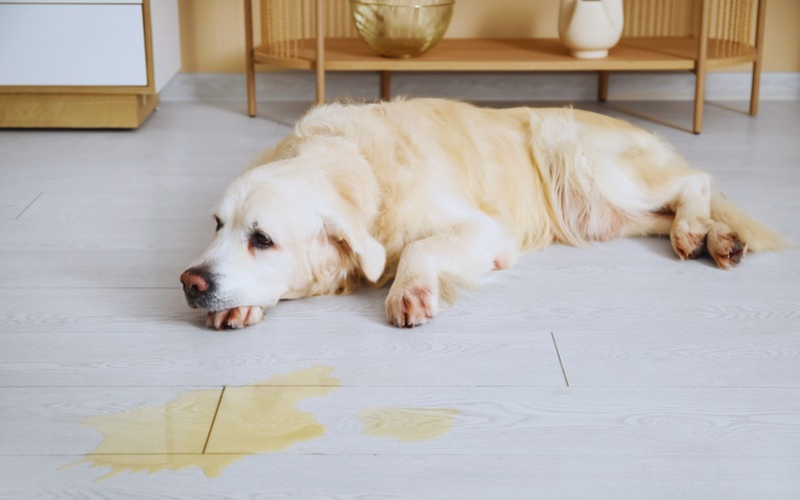
Why Is My House-Trained Dog Having Accidents in the House?
Your dog has been reliably house-trained for months or even years. And then one day, you find a puddle on the floor. Or worse!
It is frustrating. It is confusing. And if you don't figure out the cause quickly, it can become a pattern that is hard to break.
The good news is that most cases of sudden housetraining regression have a clear cause. And once you find it, the fix is usually straightforward. Here is how to work through it.
Start Here: Rule Out a Medical Cause First
Before you change anything about your dog's routine or training, take a step back and ask a few simple questions.
Is your dog drinking more water than usual? Has their food changed recently? Have they been swimming in a lake or pool and drinking the water? These are the first things I ask when a client calls me with this problem. Increased water intake always leads to increased output, and sometimes the answer is that simple.
One thing people overlook during the holidays is the treat factor. High-sodium treats like pig ears, smoked bones, rawhide, and hooves are extremely popular gifts for dogs. But all that sodium increases thirst, which increases water consumption, which means your dog simply cannot hold it as long as they normally can. Those same treats can also upset your dog's stomach and cause a different kind of accident entirely.
If you suspect treats are the culprit, remove them for a week and see if the accidents decrease. If they do, switch to lower-sodium options like raw beef marrow bones from your local meat market, stuffed Kongs, antlers, or Nylabones.
If the accidents continue after removing the treats, it is time to call your veterinarian. The most common medical cause I see is a urinary tract infection, especially in female dogs. UTIs are very treatable, but they will not resolve on their own. I also had a client dog recently develop spay incontinence, which is not uncommon in spayed females. Your vet can rule out UTIs, kidney issues, spay incontinence, and other medical causes with a simple exam.
If It Is Not Medical, Look at What Changed
If your vet gives your dog a clean bill of health, the next step is looking at what has changed in your dog's daily life.
Schedule changes are one of the most common causes of housetraining regression. A new job, a kid going back to school, a shift in when people are home — your dog's whole bathroom routine depends on your routine. When that changes, accidents happen.
Family miscommunication is another one I see all the time. Everyone assumed someone else took the dog out. Nobody actually did. This happens more than people realize, especially in busy households.
Distraction is a real factor too. If someone in the house has been very absorbed in a screen, gaming, or working from home with earbuds in, they may simply be missing the dog's signals that they need to go out.
Some dogs also develop submissive urination or arousal urination, which is different from a house-training problem. A nervous dog may urinate when greeting people or when they feel threatened. An excited dog may lose control when someone comes through the door. These have different solutions than a standard house-training regression and are worth addressing separately.
How to Fix It: Go Back to Basics
Once you have ruled out medical causes and identified any obvious changes in routine, here is the process I walk my clients through.
Start a log. Write down every single time your dog goes to the bathroom, inside or outside. Note the time, whether it was a success or an accident, and what was happening in the house beforehand. Patterns show up very quickly when you start tracking. You may discover your dog always has an accident at 3 pm, or always within an hour of a certain activity.
Tighten up the supervision. When a dog is having accidents, they need to earn back their house freedom. That means they are either on a leash attached to you inside the house or in their crate. No exceptions. This is not a punishment — it is a management strategy that prevents the problem from getting worse while you figure out what is going on.
Change how you take them outside. When you take your dog out to potty, go out on leash and stand in one spot. Count to one hundred before you bring them back inside. Most people take their dog out, get distracted wandering around the yard, and bring them back in before the dog has actually been able to go. Then they wonder why the dog had an accident ten minutes later. Standing still and counting gives your dog the time and focus they need to actually do the job.
Reward every single successful trip outside.
Make a big deal of it. As soon as they are done, say your reward word and give them a treat or something else they enjoy. This part matters more than most people realize, which brings me to the most important thing I want you to understand about accidents.
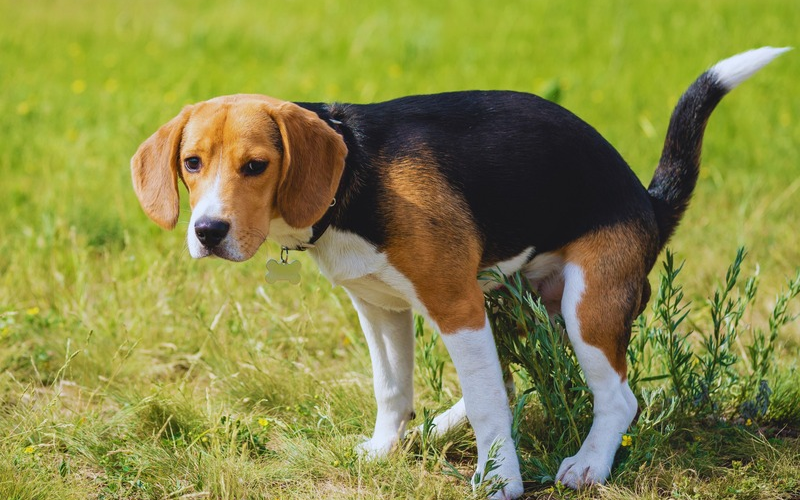
The One Thing You Should Never Do
I use correction in my training when it is appropriate. But housetraining accidents are one behavior I never punish. Not ever.
Here is why. When you punish a dog for having an accident, you are not teaching them to go outside. You are teaching them that going to the bathroom in front of you is dangerous. So they get sneaky about it. They go in the back bedroom. They hide behind the couch. They hold their signals until they absolutely cannot wait any longer and then go wherever they happen to be.
You end up with a dog who is harder to read and more difficult to retrain, not easier. And you have damaged their trust in the process.
With housetraining regression, I only reward the good stuff. Every successful outdoor trip gets praise and a treat. Accidents get cleaned up quietly with an enzyme cleaner and no reaction from you. The goal is to make going outside the most rewarding choice your dog can make.
Learn more about when professional help makes sense for behavior challenges like this.
When to Call a Professional
Most cases of housetraining regression resolve within a week or two once you identify the cause and go back to basics. But if you have ruled out medical causes, tightened up your management, started your log, and the accidents are still happening, it may be time to get some professional eyes on the situation.
Sometimes there is something more subtle going on — anxiety, a communication breakdown between dog and owner, or a training gap that is easier to see from the outside. That is exactly what I am here for.
If you are dealing with a dog who is having accidents and you are not sure where to start, reach out at beaconbaydogtraining.com to schedule a free phone consultation. We will figure it out together. Find out what questions to ask when you are looking for a professional dog trainer in Traverse City.